Call/Whatsapp -  +91 91733 66677 |
  jbfabricaters@gmail.com | Webmail

Gutenberg based WordPress Template Site for Starting Your Online Presence for All Kind of Websites
Call/Whatsapp - +91 91733 66677 | jbfabricaters@gmail.com | Webmail
Gutenberg based WordPress Template Site for Starting Your Online Presence for All Kind of Websites
Piping Fabrication & Erection
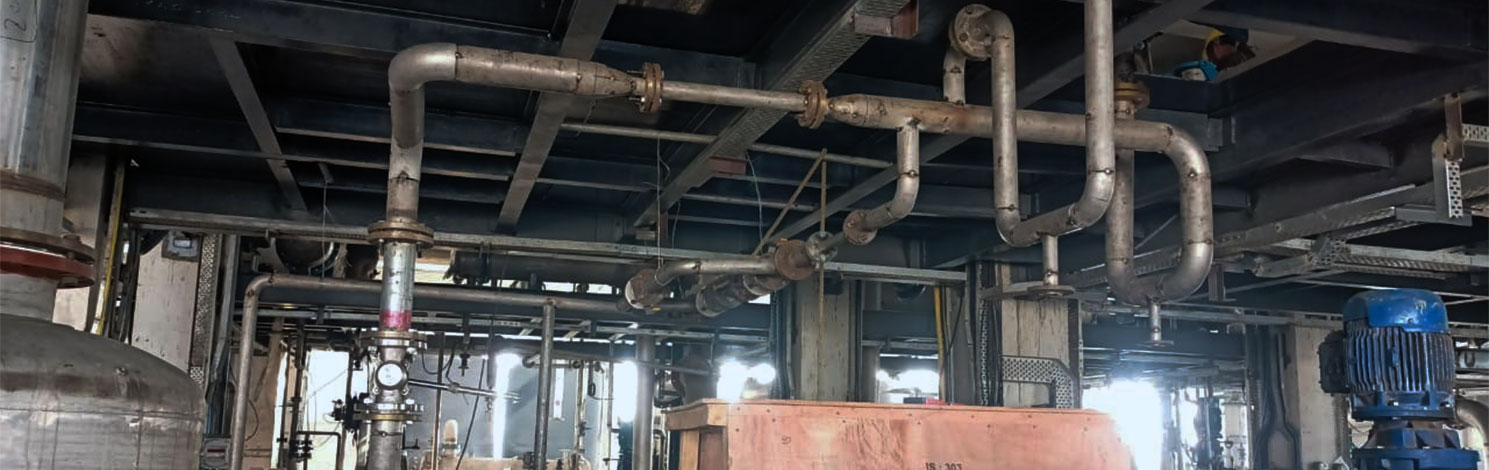
Piping fabrication and erection is the process of creating and installing complex piping systems for various industrial applications. Fabrication is the preparatory work, which can be performed in a shop or on-site, while erection involves the final assembly and securing of the pipes at the construction site. This work must be carefully planned and executed to ensure the system’s integrity, safety, and proper function.
- Preparation and planning: Review detailed engineering documents, including Process Flow Diagrams (PFDs) and Piping and Instrument Diagrams (P&IDs), to determine the required pipe routing, materials, and specifications.
- Material handling: Receive, inspect, and store pipes, fittings, and other components. Proper handling prevents damage and mix-ups of different material grades, such as stainless steel and carbon steel.
- Cutting and marking: Cut pipe materials to the specified lengths using tools like saws, torches, or plasma cutters. Before cutting, materials are tagged with heat numbers and other identifiers to maintain traceability.
- End preparation: Prepare the ends of pipes and fittings for welding, often by “beveling” them to ensure a strong, full-penetration weld.
- Welding: Join the various components, such as pipes, elbows, tees, and flanges, according to a qualified welding procedure. High-quality welding is critical to preventing leaks.
- Heat treatment: Perform pre-heating and/or post-weld heat treatment on certain materials to minimize stress and achieve desired material properties.
- Inspection and testing: Conduct Non-Destructive Testing (NDT), such as X-rays or ultrasonic tests, to ensure the integrity of the welds. Faulty welds are repaired and re-tested.
- Protective coatings: Apply any necessary coatings or paint to protect the spools from corrosion.
- Transport: Label the completed spools with their unique identifiers and transport them to the construction site for erection.
- On-site preparation: Clear the installation area, set up scaffolding, and stage the prefabricated spools and other necessary materials.
- Marking and leveling: Mark the exact location and path of the pipes and supports based on the engineering drawings. Surveying and leveling ensure the pipeline is installed at the correct elevation and slope.
- Lifting and positioning: Use cranes, hoists, and other rigging equipment to lift and maneuver the heavy pipe spools into their final positions.
- Assembly and alignment: Connect the spools to each other, as well as to equipment nozzles, valves, and instruments. This often involves making final “field welds” to account for any dimensional variations.
- Supporting: Install permanent pipe supports, anchors, and guides to ensure the piping system is securely fastened and can withstand operational stresses.
- Final connections: Secure flanges and other mechanical joints by installing and tightening bolts and gaskets.
- Final testing: After assembly, perform a final pressure test, such as a hydrotest, on the installed system to check for leaks.
- Shop fabrication: Assembling pipe spools in a dedicated workshop offers greater control over welding quality and efficiency. Complex pipe bending and modular units are often performed in a shop.
- Field fabrication: This is done directly at the construction site. It is generally used for small-bore piping or for completing final connections where exact measurements require on-site fitting.